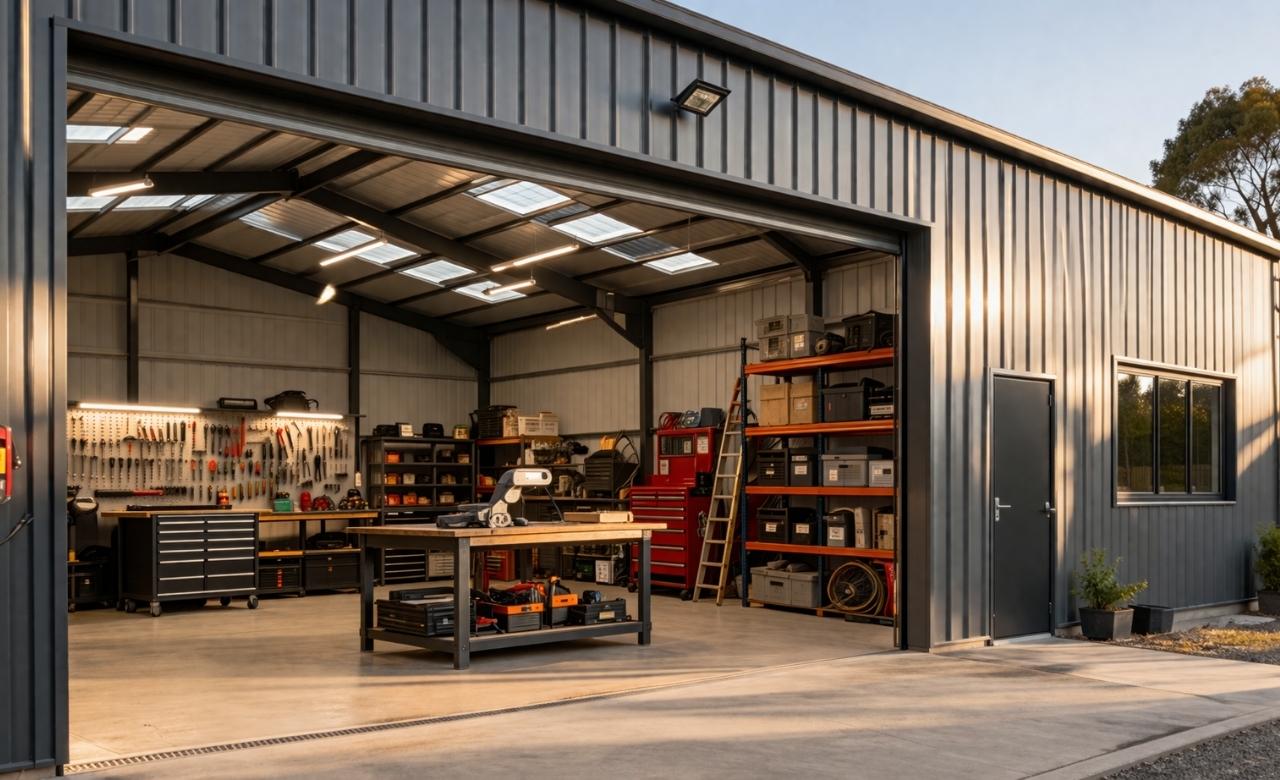
In an era where efficiency, durability, and adaptability are essential, steel workshops have become an increasingly popular choice across the United Kingdom and beyond. Whether for personal projects, commercial use, or industrial applications, these structures offer a reliable and cost-effective alternative to traditional brick or timber buildings. With advancements in design and manufacturing, steel workshops now provide both functionality and modern aesthetics.
This article explores what steel workshops are, their benefits, common uses, and what to consider before investing in one.What Are Steel Workshops?
Steel workshops are prefabricated or custom-built structures made primarily from galvanised or structural steel. They are designed to serve as dedicated workspaces for a variety of tasks, from light DIY projects to heavy industrial operations.
Unlike conventional buildings, steel workshops are often manufactured off-site and then assembled on location. This approach reduces construction time while maintaining high levels of precision and quality.
Table of Contents
Why Steel Workshops Are in High Demand
The growing popularity of these structures is driven by several advantages that make them suitable for modern needs.
Exceptional Durability
Steel is known for its strength and resilience. It can withstand extreme weather conditions, including heavy rain, strong winds, and even snow loads. Unlike wood, steel does not warp, crack, or attract pests.
Low Maintenance Requirements
One of the biggest benefits of steel workshops is their minimal maintenance. They do not require regular treatments, repainting, or repairs commonly associated with traditional materials.
Cost-Effective Construction
These buildings are often more affordable than traditional options. Prefabrication reduces labour costs, and the long lifespan of steel structures minimises long-term expenses.
Fast Installation
Because components are pre-engineered, steel workshops can be assembled quickly. This makes them ideal for those who need a functional workspace without lengthy construction delays.
Common Applications
These structures are incredibly versatile and can be adapted to suit a wide range of uses.
Automotive Workspaces
Car enthusiasts and mechanics often use steel workshops for repairs, maintenance, and restoration projects. The open interior design allows for easy movement and equipment setup.
Manufacturing and Fabrication
Small-scale manufacturers and fabricators benefit from the durability and spaciousness of these workshops, which can accommodate machinery and production lines.
Agricultural Buildings
Farmers use them to store equipment, repair machinery, and manage daily operations. Their strength makes them suitable for demanding rural environments.
Hobby and Craft Spaces
From woodworking to metalworking, these workshops provide a dedicated area for creative and technical projects.
Storage Solutions
In addition to workspace functions, they can also serve as secure storage for tools, materials, and inventory.
Design Flexibility and Customisation
Modern steel workshops are far from basic structures. They can be customised to meet specific needs and preferences, making them suitable for a variety of applications.
Size and Layout Options
They can be designed in different sizes, from compact units to large industrial spaces.
Roof Styles
Options such as gable, apex, or mono-pitch roofs allow for both functional and aesthetic variations.
Doors and Access Points
Roller doors, sliding doors, and large access openings can be incorporated to accommodate vehicles and equipment.
Insulation and Climate Control
Insulated panels help regulate temperature, making steel workshops comfortable to use throughout the year.
Important Considerations Before Buying
Before investing, there are several factors to keep in mind to ensure you make the right choice.
Purpose of Use
Clearly define how the workshop will be used. This will help determine the size, layout, and features required.
Location and Space
Consider the available space on your property and how the workshop will fit within it.
Foundation Requirements
A strong and level foundation, typically concrete, is essential for stability and longevity.
Planning Permissions
Depending on your location, you may need to comply with local regulations or obtain planning permission.
Budget
While these structures are cost-effective, it is important to factor in additional costs such as installation, foundation work, and optional features.
Environmental Advantages
Steel is one of the most recyclable materials in the world, making these workshops an environmentally responsible choice.
Additionally, the efficiency of prefabricated construction reduces waste, contributing to a more sustainable building process.
Future Trends
As technology and construction methods continue to evolve, these workshops are becoming more advanced and user-friendly.
Energy-efficient designs with improved insulation
Smart workshop layouts for better organisation
Modern finishes that enhance visual appeal
Integrated renewable energy solutions, such as solar panels
Conclusion
Steel workshops have become a modern solution for those seeking durable, flexible, and cost-effective workspaces. Their strength, low maintenance requirements, and customisation options make them a superior alternative to traditional construction methods.
Whether used for business, hobbies, or storage, they provide a reliable environment that can adapt to a wide range of needs. Many users also prefer to document and review their work digitally, and sometimes use tools to save reels and stories for later, helping them keep track of projects and ideas more efficiently.